Power Platform Pipelines
Can changes in Power Automate solutions be automatically deployed? The good news is: Yes! With Power Platform Pipelines, the concept of continuous...
Can changes in Power Automate solutions be automatically deployed? The good news is: Yes! With Power Platform Pipelines, the concept of continuous deployment has found its way into the Microsoft Power Platform. But how do Power Platform Pipelines actually work? And how are they configured? This blog article provides the answers.
The Goal of Power Platform Pipelines
Power Platform Pipelines automate the steps of export and import between development, test, and production environments. With them, solutions can be quickly modified and transferred to another environment in seconds.
Where Can You Find the Feature?
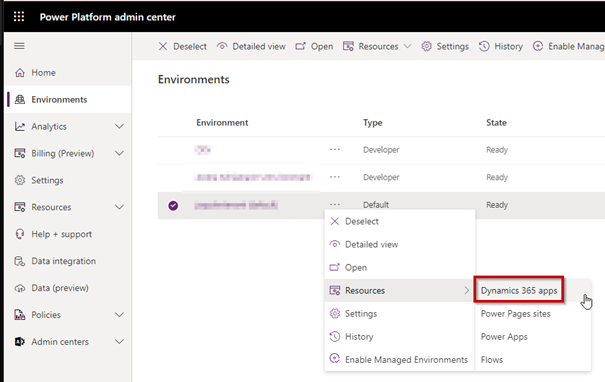
The Power Platform Pipelines tool can be installed at the environment level in the Power Apps Admin Center. It’s located in the Dynamics 365 Apps category:
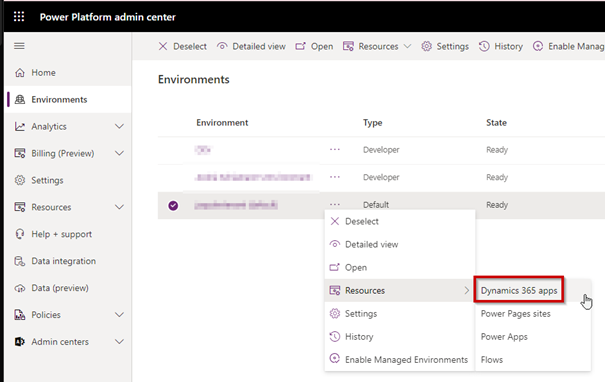
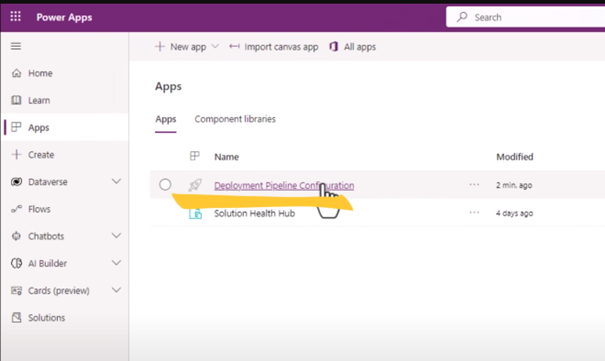
By clicking on Install App in the ribbon, the Power Platform Pipelines feature can be selected. After that, two new entries appear. In the Admin Center under Apps, you’ll now find the Deployment Pipeline Configuration. Here, pipelines for the environment can be created and configured.
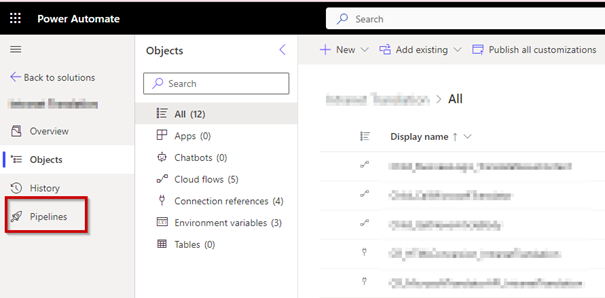
In the Solution Explorer of Power Automate, there’s also a new Pipelines tab, which is called to trigger an already configured pipeline.
How Do I Configure a Pipeline?
To create or configure a pipeline, you need the role of a Power Platform Administrator. There are some prerequisites:
- At least three Environments in the tenant must be configured as Managed Environments. This can impact license requirements, so the concept of Managed Environments should be understood before environments are activated as “Managed”.
- All Environments used in the pipeline must contain a Microsoft Dataverse database.
- Special “Microsoft Dataverse for Teams” Environments currently don’t support pipelines.
If these prerequisites are met, a pipeline can be created. The pipeline consists of individual configuration steps in the Solution Explorer, called Deployment Stages. An example would be “Deploy to Test”, which specifies that the solution is automatically transferred from the Develop Environment to the Test Environment.
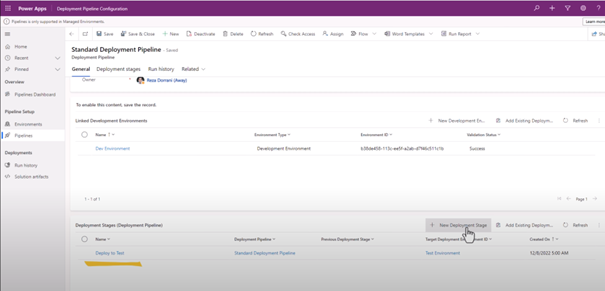
Pipelines are the heart of automated solution deployment in the development process with Power Automate.